

Red light therapy mask at home is an evidence-backed option if you want gradual, measurable improvements in skin texture, collagen, and mild to moderate acne—provided you use a clinically validated mask, at the right intensity, for several weeks or more. But what actually works, and what do recent clinical trials, market data, and user experiences really say? This guide breaks down the practical reality—no fluff.
Key Takeaways
- At-home LED masks using true red (630-660nm) and NIR (830-850nm) wavelengths can moderately improve collagen, elasticity, and mild acne if used 3-5 times per week for 8–12 weeks or longer.
- Results are gradual—not dramatic—and most users report only subtle changes unless they stick to the protocol and buy a high-quality, sufficient-power device.
- Many consumer articles gloss over pitfalls like underpowered masks, unrealistic marketing claims, and the need for ongoing use to prevent results from fading.
Table of Contents
What Is a Red Light Therapy Mask at Home?
An at-home red light therapy mask is a wearable LED device designed to deliver specific wavelengths of light—usually in the red (630–660nm) and near-infrared (830–850nm) spectrum—directly to facial skin. Clinical evidence shows that, when applied with the correct intensity (see this clinical review), these wavelengths can stimulate modest increases in collagen, improve fine lines and texture, and meaningfully reduce mild to moderate acne. The science is robust but clear: home masks work as adjuncts—not miracle solutions—requiring consistent use for weeks to months. Effects depend heavily on power density, session frequency, and adherence to protocol. Underpowered or off-brand masks often fail to deliver results.
How to Use a Red Light Therapy Mask at Home (Step-by-Step)
- Choose a clinically validated mask. Look for masks using real red (630-633nm) and optionally near-infrared (830-850nm). If you have acne, blue light (415nm) helps too. Prioritize reputable brands like CurrentBody or Omnilux—these typically match the protocols shown to work in studies.
- Cleanse your face thoroughly and dry. Debris and makeup can block light penetration.
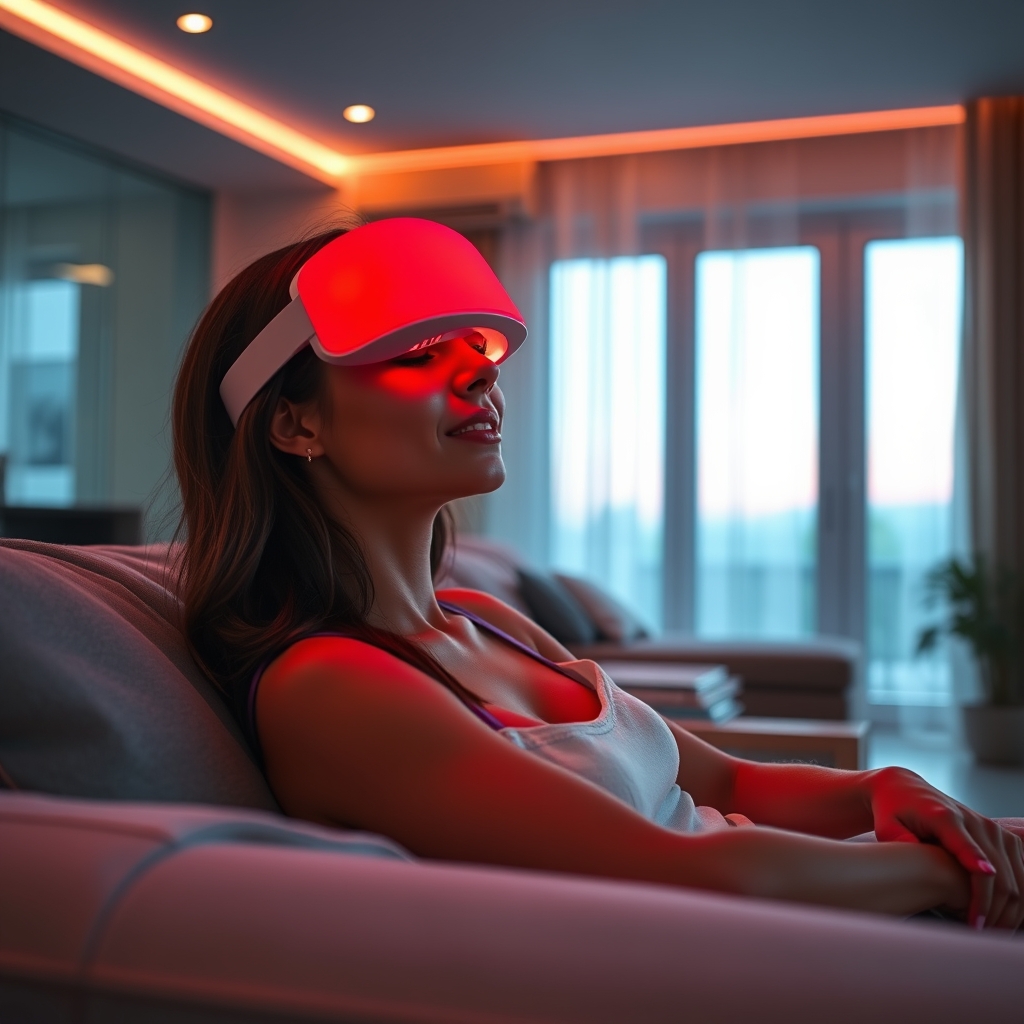
- Apply the mask per manufacturer instructions. Most high-end masks require 10–12 minutes per session, 3–5 times per week for 8–12 weeks. Secure fit is key for optimal coverage—adjust straps if needed.
- For anti-aging, stick to red/NIR protocols. For acne, use red+blue combinations. Don’t try to combine incompatible serums or use actives (like retinoids) at the same time unless the device instructions say it’s safe.
- Consistency is critical. Results typically start to show after 4 weeks, but the best visible improvements (25–40% reduction in fine lines, 23–45% reduction in acne) need at least 8–12 weeks or more of regular use (see quantitative outcomes).
- Do not look directly into the LEDs during use. Use provided goggles if included, and avoid light exposure to your eyes.
- After each session, follow up with your normal moisturizer or a calming gel. If you use actives like acids or retinoids, consider alternating days to minimize irritation.
- Switch to long-term maintenance. Once you hit your goal, keep using the mask 2–3 times per week indefinitely—results usually fade about a month after stopping.
6 Amazing Ways to Improve Skin (Proven Guide)
Step 1 — Use your red light therapy mask at home consistently every day.
The single most important factor in getting results from a red light therapy mask at home is consistency. Red and near-infrared light therapy works cumulatively, meaning the benefits build up over time with repeated sessions. Use your red light therapy mask at home for 10 to 20 minutes every day and you will begin to notice visible improvements in skin texture, tone, and firmness within the first two to four weeks of regular use.
Step 2 — Cleanse your skin before every red light therapy mask at home session.
Always start with a clean face before putting on your red light therapy mask at home. Makeup, sunscreen, and skincare residue sitting on the surface of your skin can block light wavelengths from penetrating deeply and reduce the effectiveness of each session. Wash your face with a gentle cleanser, pat dry, and then apply your red light therapy mask at home to bare, product-free skin for maximum light absorption and results.
If your skin runs warm or irritated, using a gel ice face mask for a few minutes after cleansing and before LED therapy calms redness and preps the skin for better light absorption.
Step 3 — Target fine lines and wrinkles with your red light therapy mask at home.
One of the most well-documented benefits of using a red light therapy mask at home is its ability to stimulate collagen and elastin production in the deeper layers of the skin. Collagen is the protein responsible for keeping skin firm, plump, and youthful. Regular sessions with a red light therapy mask at home trigger fibroblast activity in the dermis, which gradually fills in fine lines, softens wrinkles, and restores the natural elasticity that skin loses with age.
Step 4 — Treat active acne and breakouts with your red light therapy mask at home.
A red light therapy mask at home is highly effective at reducing active acne and preventing future breakouts. Red light wavelengths reduce the inflammation and redness surrounding acne lesions, while near-infrared light penetrates deeper to kill acne-causing bacteria beneath the skin surface. Using your red light therapy mask at home three to five times per week on acne-prone skin will visibly reduce breakout frequency, calm existing blemishes, and improve overall skin clarity over time.
Step 5 — Boost the absorption of your skincare products after using your red light therapy mask at home.
One of the lesser-known advantages of a red light therapy mask at home is that it significantly increases skin permeability immediately after a session. This means that any serum, moisturizer, or treatment you apply directly after removing your red light therapy mask at home will absorb far more deeply and effectively than it would under normal circumstances. Apply your vitamin C serum, hyaluronic acid, or retinol immediately after each red light therapy mask at home session to dramatically amplify the results of your entire skincare routine.
Step 6 — Use your red light therapy mask at home as a long-term anti-aging investment.
The most powerful way to think about your red light therapy mask at home is not as a quick fix but as a long-term daily investment in your skin health. Unlike invasive procedures that carry risks and require recovery time, a red light therapy mask at home delivers progressive, compounding results the longer you use it. Commit to using your red light therapy mask at home every day for 90 days and you will see a measurable transformation in skin firmness, radiance, and overall youthfulness that no topical product alone can deliver.
Many users pair their nightly mask session with other recovery habits — like using a neck and shoulder massager while the LEDs do their work. A 10-minute mask session is the perfect window for hands-free tension relief.
Advanced Analysis & Common Pitfalls
While red light therapy masks at home have real clinical support, the practical outcomes depend on key technical factors, strict adherence, and realistic expectations. Here are the most common issues and how to avoid them:
| Common Pitfall | Underlying Cause | How to Fix / Avoid |
|---|---|---|
| Lack of Visible Results | Underpowered device or inconsistent use | Check for ≥50 mW/cm² power at 630-660nm; use at least 3x/week for 8–12 weeks; don’t expect rapid results—collagen and acne changes are gradual (source). |
| Time Commitment Too High | 10–20min per session, 3–5x/wk, for months | Build mask sessions into your TV time or meditation routine. If you know you can’t sustain the protocol, reconsider the investment. |
| Skin Irritation / Discomfort | Overuse, too-high intensity, or combining with harsh actives | Reduce session frequency, skip acids/retinoids on mask days, or use a soothing gel mask before LEDs. |
| Eye Discomfort or Safety Worries | Excessively bright lights near eyes, no goggles | Use provided eye protection or close eyes; avoid staring into LEDs; select masks with built-in shields. |
| Device Malfunction & Poor Fit | Cheap/no-brand masks; lack of quality control | Buy from reputable brands; avoid ultra-low-cost or “glowing plastic” devices; check return policies. |
| Results Fade After Stopping | Collagen and acne benefits regress without maintenance | Adopt a maintenance protocol (2–3x/week) indefinitely to sustain improvements. |
CurrentBody vs Omnilux Red Light Masks: Spec Comparison
| Brand | Wavelengths | Power (approx.) | Main Benefit | Notable Limitation |
|---|---|---|---|---|
| CurrentBody | Red 633nm + NIR 830nm | ~50 mW/cm² (brand claim) | Collagen, wrinkles, elasticity | No built-in blue light for acne (separate device needed) |
| Omnilux Contour Face | Red 633nm + NIR 830nm | ~50-55 mW/cm² (brand claim) | Collagen, skin tone, anti-aging | No blue light for acne (acne mask is a separate product) |
| Generic/Amazon Mask | Red OR multi-color, often unclear | Frequent lack of data; often <15 mW/cm² | Very limited benefits | Inadequate power; often “just glowing” |
Note: Always ask for third-party test results or brand power specs for peace of mind—most meaningful studies used 50+ mW/cm² power and 10–12min protocols.
For better home device ROI, target brands referenced in actual clinical research. Stay away from masks that won’t even tell you their wavelength or intensity specifications.
- Need to store your device mask securely? See options in the pantry decanting system guide—many tips work for keeping home devices organized and safe.
Conclusion
If you want true, evidence-based outcomes with a red light therapy mask at home, you must stick with proven protocols. Results for collagen and acne are real but modest (not miraculous), emerging after 4–12 weeks of regular, disciplined use with a device that matches clinical specs. Cheap, underpowered masks and inconsistent routines waste time and money. Want lasting skin benefits? Treat this like a long-term health habit—check the science, stick to the process, and choose products used in the best peer-reviewed studies. For those ready to invest the time, the payoff is natural, healthier-looking skin without dramatic downtime.
Curious about other smart home and wellness upgrades? Check top picks for keyless padlocks and more in our expertly curated reviews.
FAQ
How long does it take to see results from a red light therapy mask at home?
Most users require 4–6 weeks of consistent use (3–5 sessions per week, 10–12 minutes each) before noticing initial improvements. Maximal results for collagen (wrinkle depth, firmness) or acne (lesion count) need 8–12 weeks or longer.
Are at-home red light masks as effective as clinical treatments?
No. Clinical/in-office devices typically deliver more power and show faster results (often twice the improvement seen in home devices). At-home masks produce measurable, gradual change but work best as maintenance or adjunct therapy.
What power density should I look for in a red light therapy mask?
The most effective clinical studies use 50 mW/cm² or higher at 630–660nm. Always check for third-party verifications or ask the brand directly. Many cheap devices fall well below this, leading to little or no benefit.
Do results last after you stop using the mask?
No—benefits fade gradually, with most collagen and acne improvements lost within 3–5 weeks of stopping. Ongoing maintenance (2–3 sessions per week) is strongly recommended for lasting results.
Are red light masks safe for sensitive skin or conditions like rosacea?
Generally yes, but photosensitivity, redness, or flares in conditions like melasma or rosacea have been reported. Always start with brief sessions and consult a dermatologist if you have a preexisting condition. Never use if you are photosensitive or take medications that increase light sensitivity.